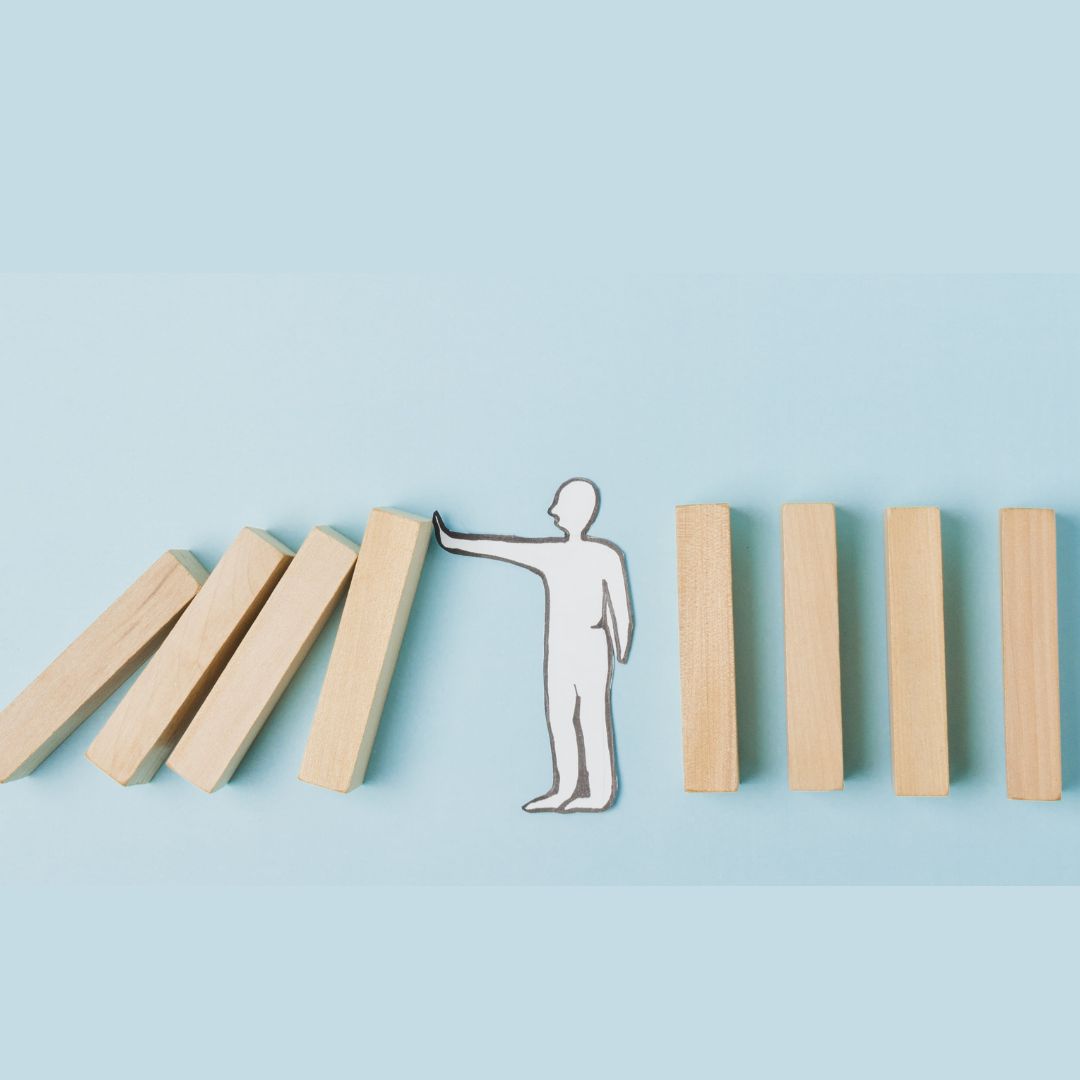
Conflict is an inevitable part of human relationships
Whether it occurs in personal relationships, professional settings, or within larger societal contexts, conflicts can be challenging to navigate.
One common misconception is that conflicts arise solely from a dichotomy of "I'm right, and you're wrong." However, a deeper examination reveals that most conflicts stem from a more nuanced perspective: "I am right about this, but wrong about that, and you are wrong about this but right about that."
Examples of these situations are common in many relationships in our society.for example
Individuals from different cultures have a disagreement regarding a cultural practice. One person believes they are right about the importance of preserving their cultural traditions, but wrong about dismissing the potential benefits of embracing diversity and inclusivity. The other person may be right about valuing diversity, but wrong about not fully understanding or appreciating the cultural significance attached to the practice in question.
A couple argues over a miscommunication that occurred during a conversation. One partner believes they are right about what was said, but wrong about not considering the possibility of misinterpreting the other person's words. The other partner may be right about their intended message, but wrong about not being aware of how their choice of words could have been ambiguous or unclear.
A teenager wants to attend a late-night party with friends, while their parent believes it's unsafe and wants them to stay home. The parent may be right about the potential dangers of late-night outings, but wrong about dismissing the teenager's need for socialization and independence. Conversely, the teenager may be right about desiring social experiences, but wrong about underestimating the parent's concern for their safety.
Most life scenarios are rarely "either-or" situations; they encompass multiple layers and complexities. Conflicts emerge from the interplay of different perspectives, where individuals can be simultaneously right and wrong about various aspects. Resolving conflicts effectively involves recognizing and embracing this nuanced reality. It requires understanding, empathy, and a willingness to seek balanced and mutually beneficial resolutions.
Unfortunately, this less utilized approach of embracing multiple perspectives often takes a backseat in conflict management
Driven by our innate desire to win and prove ourselves right, we often turn conflict resolution into a competitive arena resembling a debate. In this dynamic, each participant focuses on pointing out the weaknesses of the opposing side while championing our own rights, neglecting to recognize the strengths in the opposing points of view.
In today's society, opinion-based subjects have been overly simplified into rigid dichotomies of right and wrong. As a result, we deprive ourselves of the opportunity to explore the weaknesses in our own policies and norms. Without acknowledging these weaknesses, growth becomes stagnant, and this has a detrimental impact on both our individual relationships and society as a whole.
The importance of improving conflict resolution skills cannot be overstated
In order to navigate conflicts effectively, consider the following steps that can be highly beneficial:
Cultivate Self-Awareness:
Start by recognizing your own emotions, biases, and triggers when faced with a conflict. This self-awareness allows you to approach the situation with a calmer and more objective mindset, fostering constructive dialogue.Practice Active Listening:
Truly listening to the other person's perspective is essential for effective conflict resolution. Give them your undivided attention, show empathy, and seek to understand their point of view without interruption or judgment.Seek Common Ground:
Look for areas of agreement or shared goals. Finding common ground helps to establish a foundation for collaboration and compromise, leading to mutually beneficial resolutions.Express Yourself Clearly and Respectfully:
Communicate your thoughts, feelings, and concerns using clear and respectful language. Use "I" statements to express how the conflict affects you personally, avoiding blame or accusations.Embrace Empathy and Understanding:
Put yourself in the other person's shoes and try to understand their perspective. This empathy allows you to see beyond your own position, fostering compassion and openness to finding common solutions.Explore Creative Solutions:
Brainstorm creative ideas and alternative approaches to address the conflict. Encourage a collaborative environment where all parties can contribute and feel valued.Focus on the Issue, Not the Person:
Keep the conflict centered on the specific issue at hand rather than attacking the other person personally. Separating the problem from personal attacks promotes a more productive and respectful discussion.Practice Forgiveness and Letting Go:
In conflict resolution, it is important to let go of past grievances and focus on finding solutions. Forgiveness, both for yourself and others, allows for healing and moving forward.Seek Mediation or Professional Help if Needed:
In complex or deeply entrenched conflicts, seeking the assistance of a mediator or a professional trained in conflict resolution can provide valuable guidance and support.Learn and Grow from the Experience:
View conflicts as opportunities for personal and interpersonal growth. Reflect on the lessons learned and apply them to future situations, promoting continuous improvement in conflict resolution skills.
By implementing these steps, we can create a more constructive and harmonious approach to conflict resolution, fostering healthier relationships, and enabling positive change in both personal and societal contexts.
So, instead of looking at conflicts in hindsight, we can actively engage in a process of understanding, growth, and collaborative problem-solving. By embracing the complexities of conflicts, we pave the way for more fruitful resolutions and cultivate stronger connections in our personal relationships, professional endeavors, and societal interactions.
Reflective Question: Am I addressing the current situation objectively and without being influenced by my past experiences?
It is essential to examine whether our responses to conflicts are driven by the present circumstances or unconsciously influenced by past events. Taking a moment to reflect on this question helps us gain clarity and ensure that we are approaching the conflict with a fresh perspective.
For instance, let's consider a situation where two colleagues have a disagreement during a team meeting. Reflecting on the question, "Am I addressing the current situation or unconsciously acting from my own past experiences?" can help us assess whether our response is solely based on the current conflict or if we are bringing in unresolved issues from previous interactions with the colleague. Recognizing and acknowledging any past biases or assumptions can help us approach the conflict with a more open and unbiased mindset, fostering better communication and resolution.
Similarly, in personal relationships, reflecting on this question can prevent us from projecting past hurts or misunderstandings onto the current situation. By consciously separating the present conflict from past experiences, we can engage in more productive dialogue, leading to a more effective resolution and the opportunity for healing and growth.
Addressing this reflective question allows us to approach conflicts with greater objectivity and fairness, ensuring that we are actively addressing the current situation rather than being driven by past biases or preconceptions. It promotes a more constructive and empathetic approach to conflict resolution, fostering healthier relationships and enabling personal and interpersonal growth.